
Digitalisation and efficiency
Digital transformation in a small business starts with one process, not with buying software. Here is where to start, and what to draw on paper first.
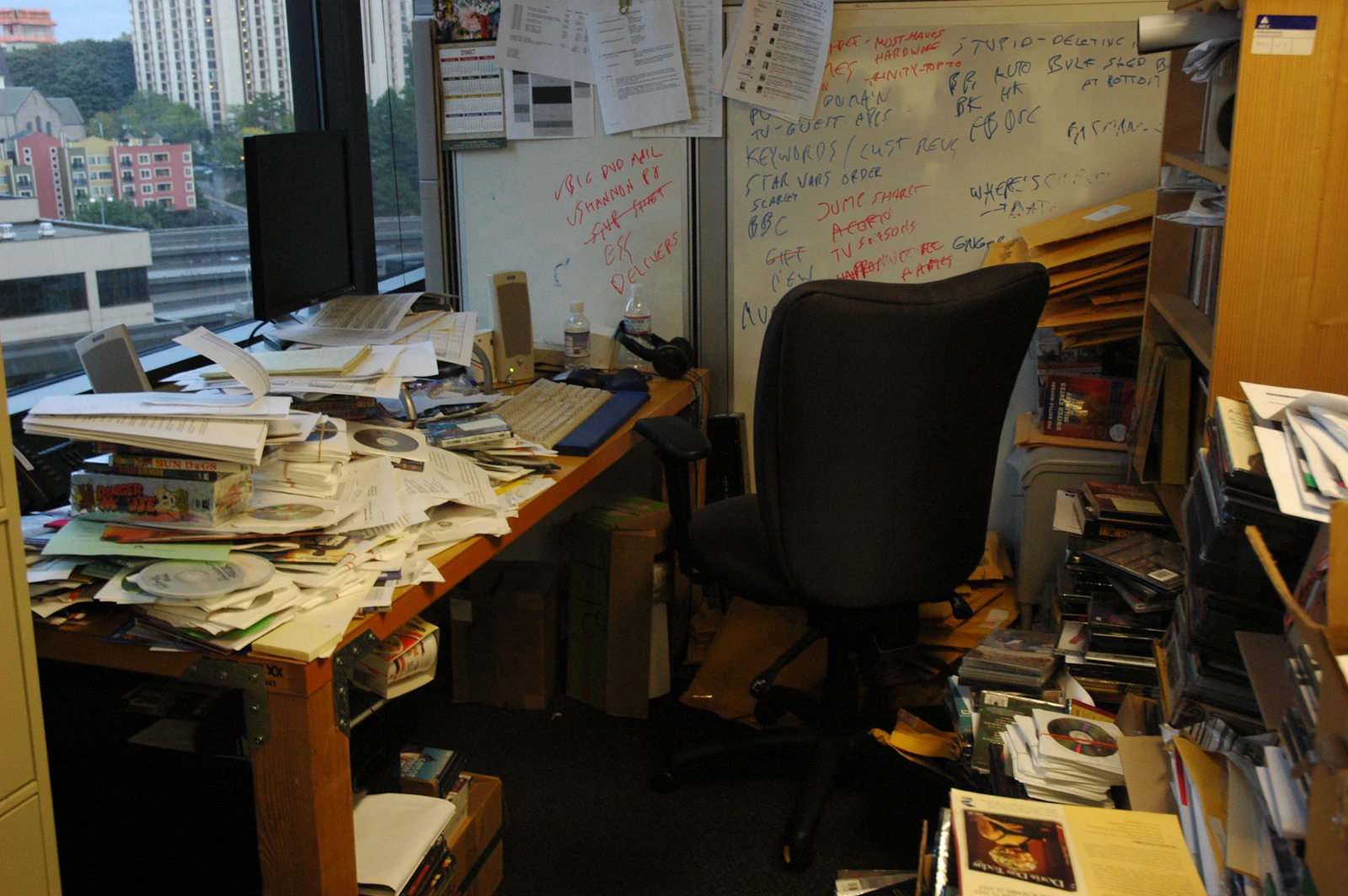
You buy a subscription, send out the login details to the team, and expect the daily friction to disappear. You assume that because the tasks are now inside a digital space, deadlines will be met and lost emails will become a thing of the past. The logic seems sound. A computer does not forget, so the company should no longer forget either.
The reality looks different. Three months later, you still spend your afternoons figuring out why a critical order is delayed. The only difference is that you are now looking at a clean digital interface instead of a physical stack of papers. Digitalisation does not create order out of nothing. Digitalising a broken, chaotic process simply gives you a chaos that operates much faster and generates errors completely out of sight. A software application is a tool, not an active manager. It will only enforce the rules and workflows you actually have in place.
Many small and mid-sized companies operate on unwritten agreements. The person handling purchasing knows they need to ask the technical lead before ordering expensive parts. The sales team knows they should not promise a delivery date before checking the warehouse capacity. These habits keep the company afloat, but they are not defined processes. They are personal favours, shared habits, and daily memory tests.
When a company introduces a new digital tool, the management often expects the system to fill the gaps in these habits. They believe the software will automatically tell everyone what to do and when to do it. A system is entirely blind. It only maps the exact reality you feed into it. If there is no clear rule about who takes over a client after the contract is signed, the software will not invent one. The client record will sit in a digital folder, unassigned, while the sales team assumes the delivery team has taken over, and the delivery team assumes the sales process is still ongoing.
A digital infrastructure needs clear logic to function. It needs to know step A, step B, and step C. If your actual working method is that step B happens whenever someone remembers to do it, the digital version will fail exactly at that point. The software does not clean up your operations. It simply takes your existing confusion and puts it on a screen for everyone to see. If nobody is responsible for a task in the physical office, nobody will be responsible for it in the digital workspace either. If the director answers every difficult question in person, the system will halt every time the director goes on holiday, because the rule is tied to a person, not a process.
A physical office has built-in safety nets. If a document sits on a desk for three days, someone will eventually walk past and ask about it. If an approval is urgent, an employee will knock on a door, interrupt a meeting, and demand a signature. These are far from ideal working methods, but they are highly visible. You can see when work stops. You can hear when an issue is escalating.
When you move a flawed approval chain into a digital environment, you strip away that physical visibility. If an approval chain is illogical and slow in reality, the tasks will silently get stuck in the software. Nobody will notice where the work halted. The system sends an automated notification, the recipient ignores it because they receive fifty similar notifications a day, and the task simply freezes. The digital queue does not complain, and it does not block the corridor.
Because the process is now digital, the rest of the team assumes the matter is handled. The person who submitted the request trusts that the system is taking care of it. They stop checking the status and they stop asking their colleagues. The digital environment provides a false sense of security. The delay is no longer a physical bottleneck that everyone can point at, but a single row in a database that no one looks at. By the time a client calls to complain about a missed deadline, the error has been sitting in the dark for a week. The chaos did not disappear when you bought the subscription. It just became invisible.
Management often tries to fix poor communication with strict digital rules. If colleagues previously handed over tasks with missing information, the immediate technical answer is usually to configure mandatory fields. The logic dictates that if the system refuses to save the task without a delivery address or a budget code, the employee will be forced to provide it.
The reality of a normal working day destroys this logic entirely. An employee standing in a warehouse, sitting in a car, or handling an angry client on the phone needs to move fast. They have another task pending immediately after this one. If the system demands information they do not have yet, they will not pause their entire day to track it down. They will fill the mandatory fields with fake data just to get past the restriction. They will type a dash, press the spacebar, or enter a dummy date just to hit the save button and move on.
This approach creates a database full of garbage. The management looks at the reports at the end of the month and sees that every field is neatly filled. They believe the company has a structured, data-driven operation. Meanwhile, the actual workers know that half the data in those specific fields is completely useless. The software did not solve the lack of information. It only forced the team to lie to the system to maintain their working speed. If the underlying problem is that the sales and delivery teams do not talk to each other early enough, a red asterisk next to a text box will not create a meaningful conversation. It will only create a frustrating obstacle that the team learns to bypass.
People want to finish their tasks. If a digital tool helps them do that, they will use it daily. If the tool slows them down, demands unnecessary administrative steps, or fails to reflect their actual daily reality, they will abandon it. They will not announce a formal boycott or send a complaint to the director. They will simply stop logging in.
If the implemented tool does not follow the real working method, the team quietly returns to private messages. Someone will create a hidden spreadsheet to track their own work because the official tool is too rigid. Two colleagues will start calling each other to confirm details instead of checking the official platform, because the platform is consistently outdated. The actual work will still get done, but it will happen entirely outside the new system.
This scenario leaves the company in the worst possible position. You pay a monthly fee for a digital system that stands empty. The management relies on charts that show zero current activity, while the actual company runs on chat applications, shared drives, and private notes. The business operation fragments into personal silos. When an employee goes on holiday or leaves the company, nobody can access the information they were managing, because it was never in the official system. The attempt to force order through an incompatible tool results in a divided and vulnerable company.
Before you move your company into a digital space, you need a process that makes sense on paper. You need to know who does what, in what order, and who makes the final decision when something goes wrong. If you can draw your workflow on a whiteboard and the team agrees that this is how they actually work, you are ready for a digital tool. If you cannot explain the process without pointing at the software, you do not have a process.
IntrApp is not another application to add to the end of the line. It is the Business Operating System the company runs on. It is not a CRM and not an ERP. IntrApp covers what a small or mid-sized company does day to day, without the complexity. If you are looking for the deepest tool in a single area, you will find better elsewhere, and that is fine. This is not a flaw, but a decision.
You can start alone, and we do not bill you for implementation or training. If you still want assistance, our expert team gladly helps, and that is your choice. The digital tool must map your physical reality. If you find that a specific feature is missing to map your work properly, you can request it. The professional knowledge about your industry belongs to you, while the development belongs to us, and the two work together. If you request a feature and roughly three quarters of our customers would also use it, we build it for free and everyone gets the update. What remains below that threshold is built on a separate track, for a fee, while you still receive the shared updates.
The first step is not a purchase. Sit down with the people who do the actual work and agree on the real steps of a single client journey. Once that is clear, open the demo and see if your process holds up in a digital space. Then use the free trial period to run your daily tasks through it, and if it does not fit your working method, cancel it like a streaming subscription.
If this topic is useful to you, these are good ones to read next.
Digitalisation and efficiency
Digital transformation in a small business starts with one process, not with buying software. Here is where to start, and what to draw on paper first.
Digitalisation and efficiency
You sit at your desk on a Tuesday morning and approve the second monthly invoice for your new software. You open a new tab, log into the dashboard, and look...
Digitalisation and efficiency
The expensive part is not the development. It is finding out in month six that you specified the wrong thing, and LEAN and MVP move that discovery forward.
The demo shows an invented company with all its data filled in, and it needs no sign-up. A few features are switched off in it, and it resets every night.